



PRK
PRK is a trusted, flap-free laser vision correction option—ideal for those with thin corneas or unique eye conditions where LASIK may not be suitable.

What is PRK?
PRK, or photorefractive keratectomy, is a laser eye surgery that corrects nearsightedness, farsightedness, and astigmatism by reshaping the cornea. Unlike LASIK, PRK does not involve creating a corneal flap, making it a good option for individuals with thin corneas or other factors that may make LASIK less suitable. Instead, the outermost layer of the cornea is gently removed, allowing the excimer laser to precisely reshape the underlying corneal tissue. PRK was the first laser vision correction procedure approved by the FDA and has been performed successfully for decades, providing long-term visual improvement. While PRK requires a slightly longer healing period compared to LASIK, the results are comparable, with most patients achieving 20/20 vision or better. Many individuals who undergo PRK experience a significant reduction or complete elimination of their need for glasses or contact lenses.
- Safe & Effective
- Minimally Invasive
Why Choose MVC for PRK?
- Vision Correction Specialists: LASIK, SMILE, or advanced lenses—modern vision correction is our exclusive focus.
- All 7 Modern Vision Options: Unlike places that offer only LASIK, we offer all 7 modern laser vision correction options—so you get the procedure that’s right for your eyes.
- In-Depth Eye Exams: Our EyeAnalysis provides the region’s most detailed eye health evaluation—front to back, top to bottom.
- Expert-Certified Team: Our surgeons include fellows certified by the World College of Refractive Surgery and Visual Sciences.
- Exceptional Patient Experience: Relax in our welcoming spa-like clinic—enjoy no wait times and personalized care from start to finish.
- Award-Winning Excellence: Built on Kugler Vision’s patient-first standards—a decade-long Best of LASIK practice winner.
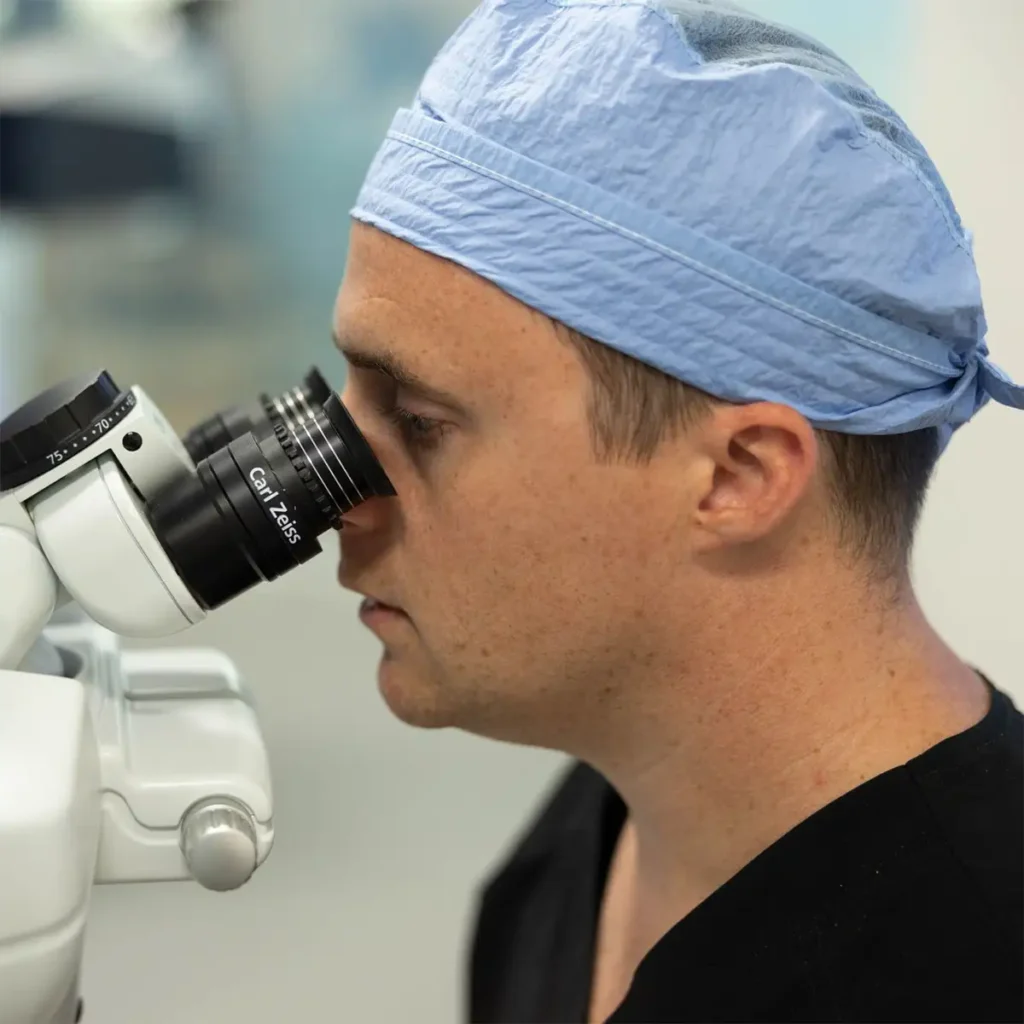
Your Clear Vision Starts Here
Take the first step—see if you're a candidate now.
Meet Your MVC PRK Surgeon
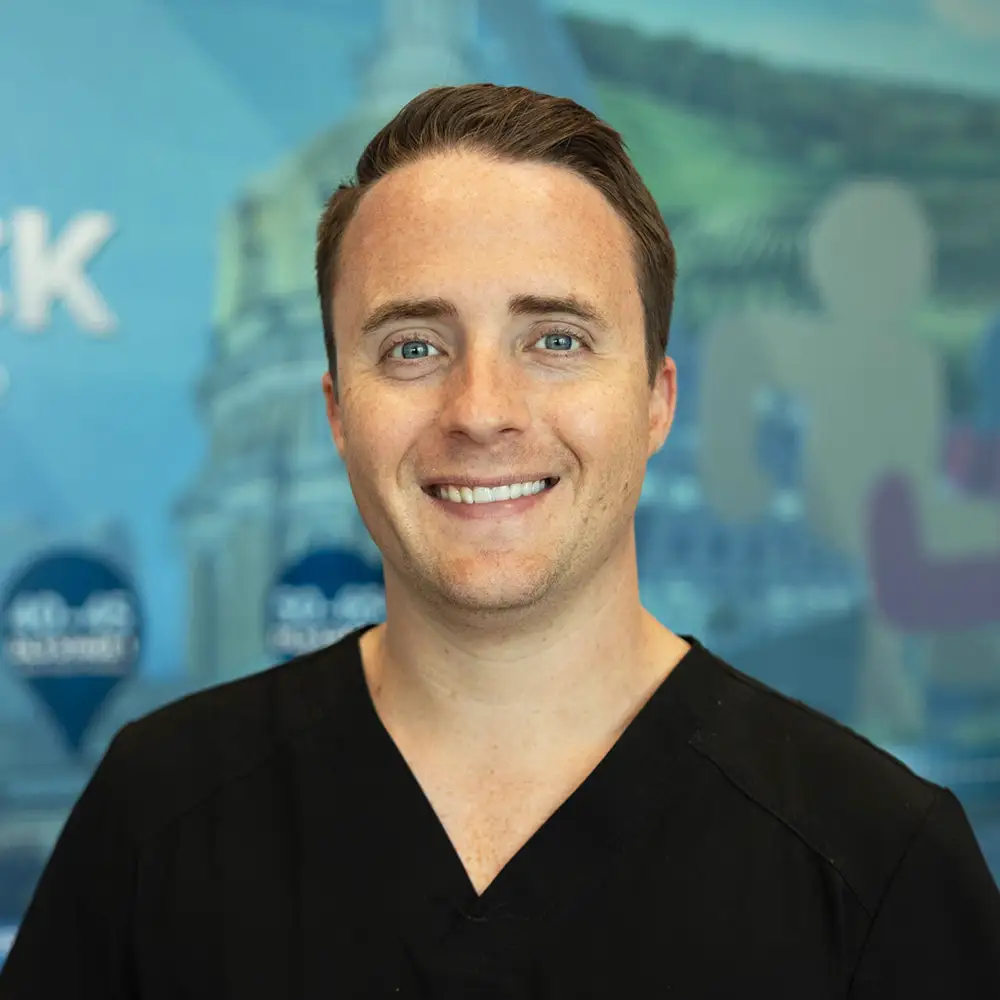
Dr. Drew Dickson is the only World College of Refractive Surgery and Visual Sciences certified vision correction specialist in the state of Iowa. He specializes in LASIK, SMILE, and lens-based procedures, delivering trusted results through precision, experience, and patient-first care.
Our PRK Surgery Locations

Who is a candidate for PRK?
A good candidate for PRK at MVC is someone who is at least 18 years old with a stable prescription for at least one year and healthy corneas. PRK is a good option for individuals who may not qualify for LASIK, most commonly due to thin corneas. Your doctor will be sure to recommend PRK for you if it is your best option. At MVC, determining candidacy for PRK begins with a thorough consultation that includes advanced diagnostic testing to assess visual acuity, corneal thickness, and prescription stability. If PRK is the right option, additional preoperative measurements will be taken to ensure a precise and customized treatment plan. The team at MVC is committed to providing expert guidance and personalized care to help each patient achieve the best possible visual outcome.
Benefits of PRK
- Freedom from Glasses and Contacts – PRK reduces or eliminates dependence on corrective eyewear, allowing for clear vision without the hassle of glasses or contact lenses.
- Good for Thin Corneas – PRK preserves more corneal tissue, making it a better choice for individuals with thin corneas or irregular corneal shapes who may not qualify for LASIK.
- Reduced Dryness – Although all vision correction procedures may cause your eyes to temporarily feel dry, PRK typically causes to a shorter duration of post-surgery dryness than LASIK.
- Safe for Active Lifestyles – PRK is a good option for athletes, military personnel, or anyone with a physically demanding job where eye injuries are a concern.
- Customizable Treatment – PRK is tailored to each patient’s specific vision needs, providing a precise and personalized approach to vision correction.
- Long-Term Stability – PRK offers excellent long-term vision correction, and because more corneal tissue is preserved, additional enhancements can be performed if needed in the future.
- Effective for High Nearsightedness – PRK can correct a broader range of nearsightedness compared to some other procedures, making it an option for patients with stronger prescriptions.
- Proven Safety and Effectiveness – PRK has been performed successfully for decades and is backed by years of clinical research, ensuring a safe and effective option for vision correction.


PRK Technology
At MVC, we use state-of-the-art technology to ensure precise and personalized PRK treatments. We offer the most thorough testing available, allowing for a fully customized vision correction plan. Iris Registration and Eye Tracker Technology enhance accuracy by continuously tracking eye movement during the procedure, ensuring the laser stays perfectly aligned even with patient eye movement. The Wavelight EX500 Excimer Laser delivers unmatched precision, refining vision with accuracy up to 0.25 microns—an incredibly fine measurement compared to the 70-micron thickness of a human hair. The EX500 provides both Wavefront Optimized and Contoura Topography-Guided PRK, allowing your surgeon to customize your PRK plan to give you the best vision outcome possible.
How does PRK work?
PRK works by reshaping the cornea to correct vision errors such as nearsightedness, farsightedness, and astigmatism. At MVC, the procedure begins with the application of anesthetic eye drops to numb the eyes, ensuring a painless experience. A device is used to gently hold the eyelids open, and the epithelium, the outer layer of corneal cells, is removed. This step allows direct access to the underlying cornea, where the excimer laser precisely reshapes the tissue to improve vision. The laser treatment itself takes about 10 seconds per eye. A couple different medications are then placed on the eye, and the procedure is complete. Once complete, a soft bandage contact lens is placed on the eye to protect the cornea and aid in healing. Because the epithelium needs time to regenerate, vision will be blurry initially, and mild discomfort may occur in the first few days. Prescription eye drops help manage healing, and most patients notice significant visual improvement within the first week. Full results develop gradually as the cornea stabilizes over the following weeks. PRK at MVC is a safe, effective alternative for those who may not be candidates for LASIK, offering a great solution for long-term vision correction.

our reviews
Our Patients Love What We Do
Hear from real patients whose lives have been transformed by clearer vision and compassionate, expert care at MVC.
Dr. Dickson and the staff. They are extremely professional, caring, and attentive to every detail. I felt well taken care of from start to finish!
Betsy C.
PRK Patient
The MVC team are top professionals! They thoroughly explained my options and helped me feel completely confident in my decision. My vision is now better than ever.
Marilyn B.
RLE Patient
I had SMILE performed today, and couldn’t be happier. Dr. Dickson walked me through everything, and even called me later to check in. Incredible experience!
Cody N.
SMILE Patient

PRK: What to Expect
On the day of your PRK procedure at MVC, you can expect a smooth and well-organized experience designed to keep you comfortable. Prior to the procedure, you will have the option to take an oral medication that helps you feel relaxed. While this is starting to work, you will be sitting in a private room in one of our massage chairs. You will receive numbing eye drops to prevent any discomfort. The procedure itself only takes about five minutes per eye, and once completed, a bandage contact lens will be placed on your eye to protect the cornea as it heals. Before you leave, your post-operative care instructions will be reviewed, and you should arrange for someone to drive you home so you can rest.
Recovery from PRK takes longer than LASIK since the outer layer of the cornea needs time to regenerate. Most patients are able to resume non-strenuous activities within a few days, with vision continuing to improve over the next several weeks. While your vision will improve gradually, most patients notice significant clarity within a month, and full results develop over the next few months. Once healed, PRK provides long-lasting vision correction, allowing you to enjoy clear sight without the need for glasses or contact lenses for most daily activities. The team at MVC will guide you through each step of the process to ensure the best possible outcome.
What is the difference between PRK and LASIK Surgery?
The main difference between PRK and LASIK at MVC is how the cornea is prepared for vision correction. Both procedures use advanced laser technology to reshape the cornea and provide equivalent excellent vision outcomes, but LASIK involves creating a thin flap in the cornea before applying the laser, while PRK removes the outer layer of the cornea entirely before reshaping. Because PRK does not require a flap, it is often the better choice for patients with thin or irregularly shaped corneas, as well as those where flap-related complications could be a concern. PRK has a longer recovery time compared to LASIK since the corneal surface needs time to regenerate, but the long-term vision results are just as effective. At MVC, we carefully evaluate each patient to determine which procedure is best suited to their eyes and lifestyle, ensuring the safest and most effective outcome.

FAQ's About PRK
Is PRK painful?
How long does PRK take to heal?
What is PRK recovery time?
PRK recovery involves a few key phases. In the first few days, vision is blurry as the epithelium regenerates. A bandage contact lens is worn for protection, and most patients can resume normal activities within a week. By one month, vision is significantly clearer, with full stabilization occurring over the next several months. The photorefractive effect of PRK reshapes the cornea, allowing light to focus properly and reducing dependence on corrective lenses. The team at MVC monitors your recovery closely to ensure optimal healing and results.
How much does PRK cost?
Is PRK safe?
What are the risks of PRK?
What is the PRK success rate?
PRK has a high success rate, with the vast majority of patients achieving 20/20 vision or better. The procedure effectively corrects near-sightedness, farsightedness, and astigmatism by reshaping the cornea to improve focus. While healing takes longer than LASIK, the results are just as reliable. PRK has been a trusted method of vision correction for decades, providing long-term freedom from glasses and contact lenses. At MVC, we use advanced technology to enhance accuracy and optimize outcomes for each patient.
Can PRK be repeated?
Who is not a candidate for PRK?
Does insurance cover PRK?
Start Your Journey to Visual Freedom
At Modern Vision Centers, your path to clearer, sharper vision begins with a personalized approach designed to meet your unique eyes and lifestyle.

STEP 1
Initial Exam

STEP 2
Custom Procedure
Your vision correction procedure is tailored to your eye’s anatomy, using cutting-edge technology for precision and optimal results.

STEP 3